Newsletter
Join our newsletter to get notified about how to maintain your concrete and landscape!
Stamped Concrete: Benefits, Applications, and Design Ideas
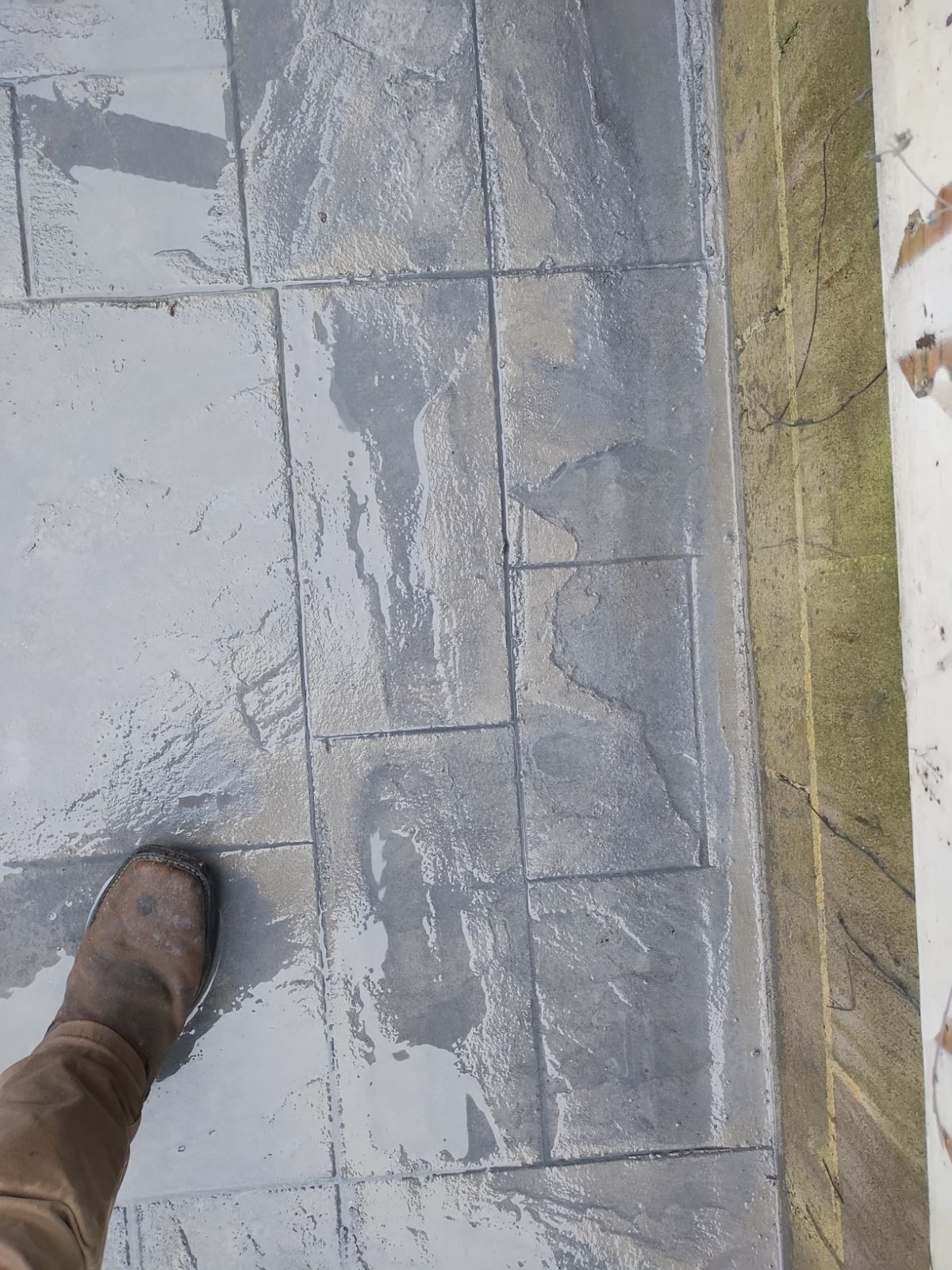
Concrete stamping has transformed how homeowners and businesses approach outdoor design. With the ability to mimic high-end materials like brick, stone, and wood, stamped concrete offers a cost-effective and durable way to enhance spaces like patios, driveways, and walkways. This article explores the process, benefits, and creative potential of stamped concrete for your next project.
Stamped concrete is a decorative technique that uses patterned molds to imprint textures onto freshly poured concrete. These patterns can replicate materials such as slate, cobblestone, or even timber, offering the aesthetic appeal of these materials without the associated costs or maintenance.
What Are the Benefits of Stamped Concrete?
Stamped concrete stands out for several reasons, including:
- Affordability: Achieve the look of premium materials without the high price tag.
- Durability: With proper installation, stamped concrete withstands heavy use and weather conditions.
- Low Maintenance: Cleaning and sealing are simple and infrequent, making it a hassle-free option.
- Versatility: Choose from a wide variety of colors, patterns, and finishes to complement any design.
Common Applications for Stamped Concrete
Stamped concrete can enhance many areas of your property:
- Patios: Create a sophisticated outdoor space for relaxation or entertaining.
- Driveways: Combine durability with curb appeal using elegant patterns and colors.
- Walkways: Add charm and functionality to paths around your home or garden.
- Pool Decks: Enhance safety and style with slip-resistant textures.
How Stamped Concrete is Installed
The installation process involves careful steps to ensure lasting quality and beauty:
- Preparation: The area is excavated and leveled, with forms set to outline the desired shape.
- Pouring and Coloring: Concrete is poured and a color hardener is applied for a vibrant finish.
- Stamping: Molds are pressed into the surface before the concrete fully sets, creating the desired texture.
- Sealing: A protective sealant is applied to enhance durability and color longevity.
Design Options to Consider
Stamped concrete offers an array of design possibilities:
- Textures: Choose patterns that mimic natural materials like flagstone, slate, or brick.
- Colors: Custom color options allow for creative matches with your property’s style.
- Borders and Accents: Enhance the design with contrasting patterns or colors along edges.
Maintenance Tips for Stamped Concrete
To maximize the lifespan and beauty of stamped concrete:
- Regular Cleaning: Sweep and wash the surface to remove dirt and debris.
- Resealing: Reapply a concrete sealer every 2-3 years to protect against wear and fading.
- Prompt Repairs: Address any cracks or damage quickly to prevent larger issues.
Conclusion
Stamped concrete offers a perfect combination of beauty, durability, and affordability. Whether you're enhancing your outdoor spaces or adding decorative elements to your property, this technique provides endless possibilities for customization. Consider stamped concrete for your next project to enjoy lasting results that impress and inspire.